
Short answer: A lake home or cabin kitchen remodel in Northern Wisconsin should usually be planned around $28,000-$82,000 for a strong same-footprint remodel and $80,000-$155,000+ when the project changes walls, windows, structure, utilities, or high-finish cabinetry. Remote sites and premium lake homes can still climb, but normal Northern Wisconsin planning should not start with big-city assumptions.
This planning article is for homeowners comparing kitchen, bathroom, shower, and remodeling options in Northern Wisconsin and Western Michigan. It uses current regional cost benchmarks, state permit sources, and building-science guidance on ventilation and moisture so the project can be scoped before a sales call.
How lake home kitchen pricing differs
Lake homes and cabins often look simple until construction starts. The kitchen may sit on older framing, share walls with a mudroom or porch, have limited electrical capacity, or depend on seasonal roads and delivery windows. That is why a lake kitchen should be priced as a site-specific project, not just a cabinet package.
| Scope | Planning range | Common local factors |
|---|---|---|
| Durable refresh | $15,000-$35,000 | Paint or reface cabinets, counters, hardware, lighting, sink, backsplash, and small repairs. |
| Same-footprint remodel | $28,000-$82,000 | New cabinets, surfaces, flooring tie-ins, ventilation, appliance fit, and better storage without major structural changes. |
| Custom lake kitchen | $80,000-$155,000+ | Wall changes, window changes, custom cabinets, larger island, upgraded electric, high-end appliances, or remote logistics. |
The Cost vs. Value benchmarks are still helpful: a minor kitchen in the East North Central region is about $27,005 and a major midrange kitchen is about $83,113. Northern Wisconsin lake homes can land below metro benchmarks when the project is simple, and above them when access, structure, finish level, or seasonal logistics are difficult.
The layout should fit how the home is used
A cabin kitchen works harder than a normal kitchen during peak season. It may serve ten people after a day on the water, store bulk groceries, dry towels, and become the landing spot for wet boots and coolers. A good remodel separates cooking, cleanup, serving, and drop-zone storage so the kitchen does not collapse under weekend traffic.
Materials that make sense for cabins and lake homes
The right finish is not always the most expensive finish. It is the one that handles moisture, sand, guests, winter temperature swings, and cleaning. Painted cabinets can be beautiful but need a good finish system. Natural wood hides wear better in some cabins. Quartz can be practical near sinks and serving areas. Porcelain tile can be useful in wet entries, while wood flooring needs careful transitions and maintenance expectations.
Ventilation matters too. EPA guidance calls out kitchen moisture and recommends range hoods that capture cooking moisture and exhaust outdoors. In tighter remodeled homes, a quiet hood is more likely to be used than a loud one, and the duct path should be planned before cabinets are ordered.
Pick finish durability and storage function before door style.
Prioritize stain resistance, cleanability, and edge durability.
Plan wet traffic from lake, garage, porch, and bathroom paths.
Layer task lighting, evening warmth, and winter daylight support.
How to plan around season and access
For vacation homes, the remodel schedule should respect the season. Many owners want work completed before summer, but selections, cabinet ordering, permits, and trade coordination need to start months earlier. Remote sites also need staging space, parking, dumpster access, and weather-protected material storage.
The cleanest process is to separate the job into planning, selections, ordering, demolition, rough work, cabinet install, surfaces, finish, and punch list. That lets the contractor order long-lead items before the home is torn apart and gives the owner a clearer answer about when the kitchen will be usable again.
Designing for guests, gear, and weekend traffic
A lake home kitchen is rarely used by one quiet cook. It is a breakfast station, cooler landing, snack bar, fish-fry prep area, board-game surface, and cleanup zone after people come in from outside. The remodel should make those movements easier instead of only making the cabinets look new.
Create room near the refrigerator, pantry, and exterior entry so groceries and coolers do not block cooking.
Plan where people grab drinks, plates, and snacks without crossing the cooking zone.
Use durable floor transitions and storage for towels, shoes, bags, and cleaning supplies.
Layer soft lighting for evenings, early coffee, and guests using the kitchen while others sleep.
Remote-site logistics that change the remodel
Remote lake properties can add complexity even when the kitchen itself is simple. Long drive times, limited parking, narrow roads, septic locations, snow storage, delivery access, and seasonal occupancy all change how the work is scheduled. If the home is occupied only part time, decision-making can slow down unless selections are finalized before construction starts.
Confirm parking, material staging, dumpster location, road limits, and winter access.
Finalize cabinets, appliances, counters, sink, lighting, flooring, and hardware.
Protect floors, furniture, lake-view rooms, and paths through the home.
Confirm punch list, cleaning, appliance operation, care notes, and owner handoff.
Durability and maintenance choices that matter
The best lake kitchen materials are not just photogenic. They tolerate sand, moisture, guests, winter vacancy, and fast cleanup. Hardware should be comfortable and replaceable. Cabinet finishes should be chosen with real use in mind. Countertops should fit the way the family cooks, serves, and cleans.
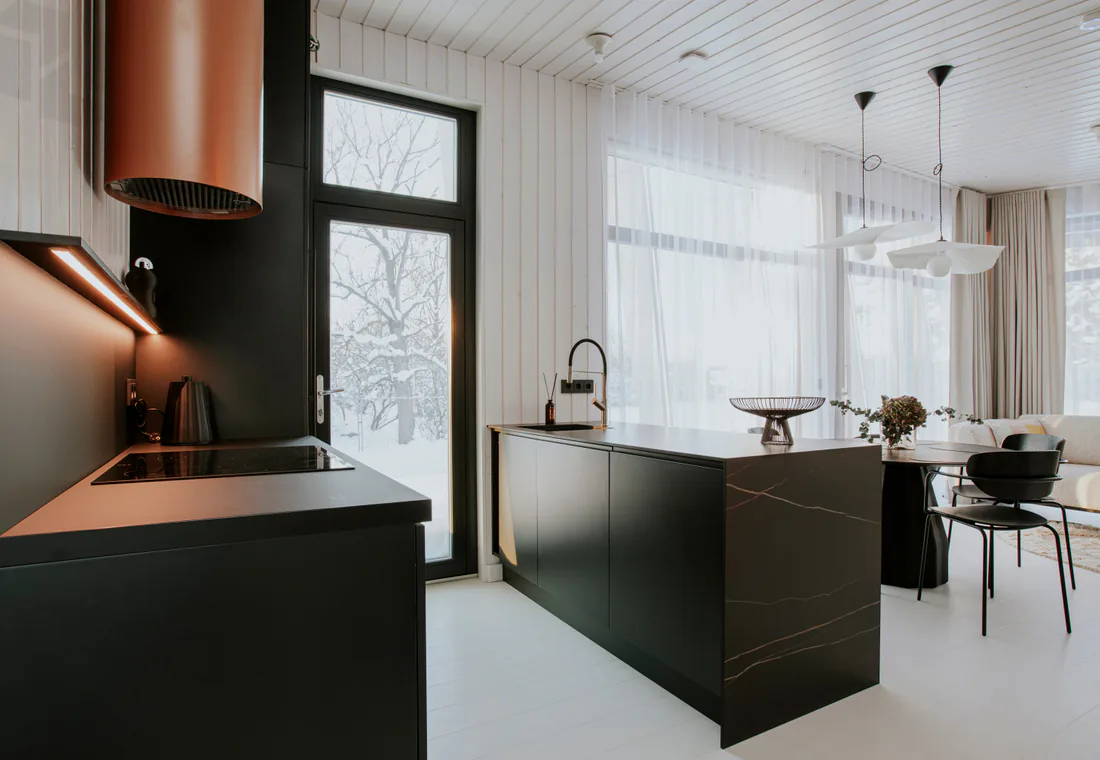
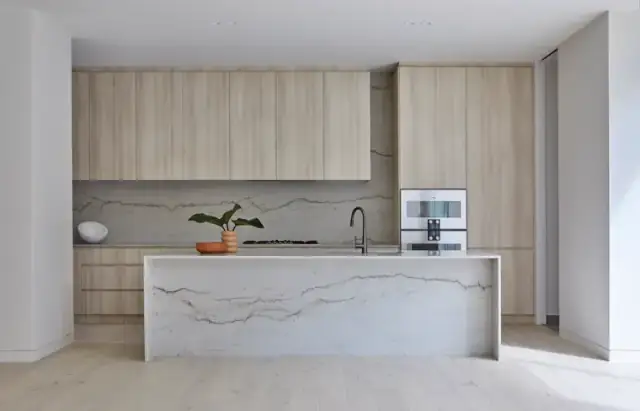
For many Northern Wisconsin cabins, a restrained palette with durable surfaces feels better over time than a trend-heavy kitchen. Natural wood, quiet stone patterns, practical lighting, and a few strong focal details can make the room feel finished without turning the project into a luxury metro budget.
Lake-home planning packet
Plan the cabin kitchen around real lake-home use
A lake kitchen has to survive guests, wet gear, bulk groceries, winter vacancy, and short construction seasons. Use this checklist before pricing so the remodel supports how the home is actually used.When the home needs to be usable, owner availability, rental windows, family visits, and summer deadlines.
Road limits, parking, dumpster location, material staging, winter access, stairs, dock traffic, and septic awareness.
Coolers, drinks, snacks, breakfast traffic, wet towels, serving space, trash, and pantry overflow.
Flooring, cabinet finish, counter cleanability, ventilation, lighting, and low-maintenance details.
Frequently Asked Questions
How much does a lake home kitchen remodel cost?
Many Northern Wisconsin lake home kitchen remodels plan around $28,000-$82,000 for a strong same-footprint project and $80,000-$155,000+ for custom, structural, or remote-access work.
What should a cabin kitchen remodel prioritize?
Prioritize layout, storage, durable surfaces, ventilation, wet traffic, and guest flow before choosing decorative finishes.
When should I start planning a summer cabin kitchen remodel?
Start several months before the desired construction window. Cabinets, surfaces, permits, and trade schedules can make a spring completion difficult if planning starts too late.
What makes a cabin kitchen different from a normal kitchen?
A cabin kitchen often handles more guests, wet traffic, bulk food, coolers, and seasonal vacancy. The remodel should prioritize storage, durability, ventilation, and traffic flow.
Can a lake home kitchen remodel be done before summer?
Yes, if planning starts early enough. Cabinets, permits, surfaces, trade schedules, and remote-site logistics can make a spring deadline difficult when planning starts late.
Sources and Method
Prices are planning ranges, not quotes. They combine published regional benchmarks with local remodeling scope logic. Final pricing depends on site conditions, product selections, trade availability, permits, and hidden conditions found during demolition.