
Short answer: A strong lake house or cabin remodel should start with water control, safety, ventilation, winter readiness, septic and permit constraints, then move into kitchens, bathrooms, storage, and finish selections. In Northern Wisconsin and the western U.P., the remodel has to work when the cabin is full of guests, closed for weeks, exposed to snow, or managed from out of town.
This article is written for owners of lake homes, cabins, older seasonal properties, inherited retreats, and second homes across Northern Wisconsin and the western Upper Peninsula. It focuses on the order of work that protects the building first, then improves kitchens, bathrooms, comfort, and long-term usability.
What makes lake house remodeling different
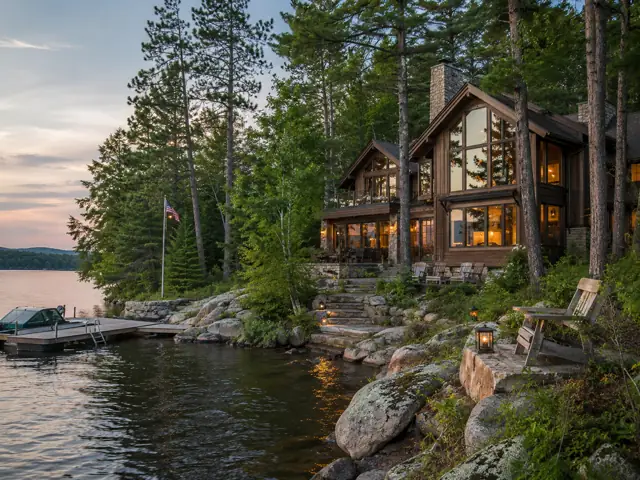
Lake house remodeling in Northern Wisconsin is different from remodeling a primary home in town. A lake house, cabin, or seasonal home has to handle wet swimsuits, sand, guests, winter shutdowns, snow, old systems, lake humidity, septic limits, and long stretches when nobody is there. The remodel has to be practical before it becomes pretty.
UW-Madison Extension reports that Wisconsin has more than 192,000 seasonal and recreational housing units, with Oneida, Vilas, and Marinette counties among the top U.S. counties for total seasonal and recreational units. The western U.P. adds older homes, seasonal occupancy, Lake Superior weather, and difficult winter logistics. Those conditions change the planning.
A standard remodel asks what finish you want. A Northwoods cabin remodel also asks what will fail if the property sits closed for six weeks, gets hit with heavy snow, then fills with guests for a long weekend.

Fix these problems before aesthetic upgrades
The best cabin remodels start with restraint. Flooring, paint, countertops, a new shower, or a wall of cabinets can all matter, but they should not cover up problems that can damage the finished work later.
Active leaks, rot, unsafe wiring, plumbing leaks, failed ventilation, crawl space moisture, roof problems, and freeze-risk conditions.
Kitchens, bathrooms, laundry, entry storage, sleeping layout, lighting, heat, guest flow, and maintenance access.
Cabinets, counters, tile, trim, paint, fixtures, flooring, hardware, and visual upgrades that make the home feel finished.
This order protects the owner's money. New flooring over a damp subfloor is not an upgrade. New cabinets against a wall with an unresolved leak are not a long-term improvement. A new bathroom without an exhaust fan vented outdoors is a moisture problem with better tile.
- Check roof age, roof penetrations, chimney flashing, skylights, valleys, and porch tie-ins.
- Check gutters, downspouts, grading, splashback, and drainage around the foundation.
- Check crawl space dampness, vapor control, insulation, pest damage, and plumbing routes.
- Check electrical capacity, old circuits, DIY wiring, exterior power, and GFCI needs.
- Check fan ducting, kitchen exhaust, window leaks, deck ledger attachment, stairs, and railings.
Moisture, drainage, crawl spaces, and ventilation
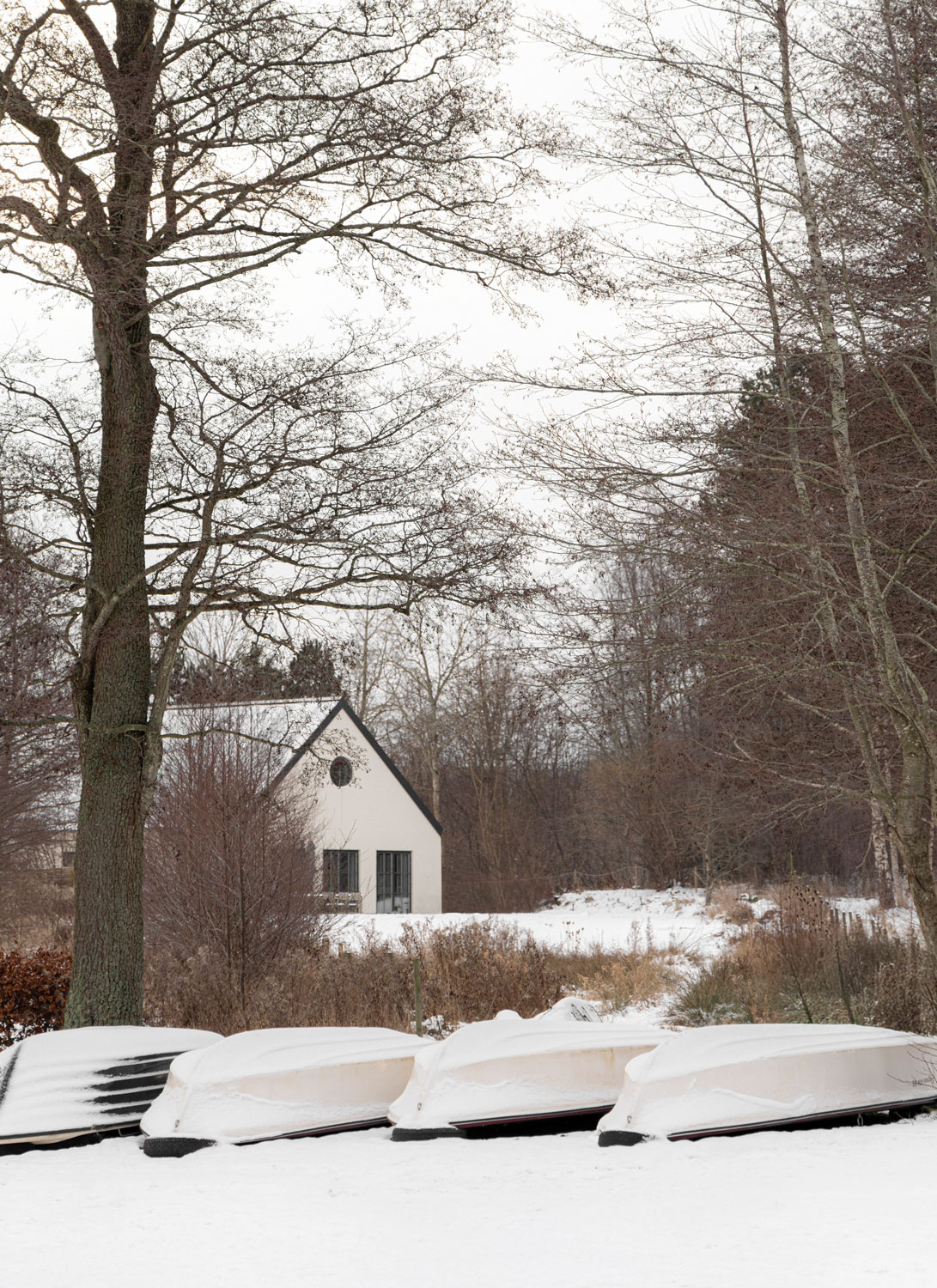
Lake home moisture problems are one of the most common reasons a simple remodel becomes more involved. A musty smell is not a style issue. It is a clue. The source may be a damp crawl space, a roof leak, ice-dam damage, poor bath ventilation, unvented cooking moisture, closed-up rooms, old windows, plumbing leaks, or wet insulation.
Moisture work starts outside. Water should move away from the structure. Downspouts should not dump water against the foundation. Walkways, patios, old landscaping, and lake-facing entries should not trap water at siding or basement walls.
| Moisture concern | What owners may notice | What should be checked before remodeling |
|---|---|---|
| Roof or flashing leak | Stains, soft drywall, musty ceiling, ice-dam history | Roof penetrations, valleys, chimney, skylights, porch tie-ins |
| Drainage problem | Wet basement, damp crawl space, muddy perimeter | Grade, downspouts, hardscape, sump, foundation condition |
| Crawl space moisture | Musty smell, soft floors, cupping, cold floors | Vapor control, insulation, air sealing, plumbing, access |
| Poor bath ventilation | Mildew, peeling paint, lingering humidity | Fan capacity, duct route, termination, controls |
| Seasonal humidity | Odor after vacancy, sticky air, mildew | Dehumidification, air circulation, HVAC strategy, storage habits |
EPA moisture guidance identifies roof leaks, plumbing leaks, condensation, poor indoor humidity control, and poor drainage around the base of buildings as common sources of moisture problems. That is exactly why the damp parts of a cabin need to be understood before finish work begins.
Seasonal cabin to year-round use
A seasonal cabin to year-round conversion is not just a bigger heater and nicer windows. A cabin can look finished inside and still be vulnerable to frozen pipes, cold floors, condensation, ice dams, and uncomfortable winter rooms.
The Department of Energy explains that air sealing reduces uncontrolled air movement and can improve comfort and durability. ENERGY STAR guidance also connects attic air sealing, insulation, and ventilation with reducing the conditions that contribute to ice dams. In lake-effect snow areas, those details are not optional extras.
Kitchen and bathroom priorities for cabins
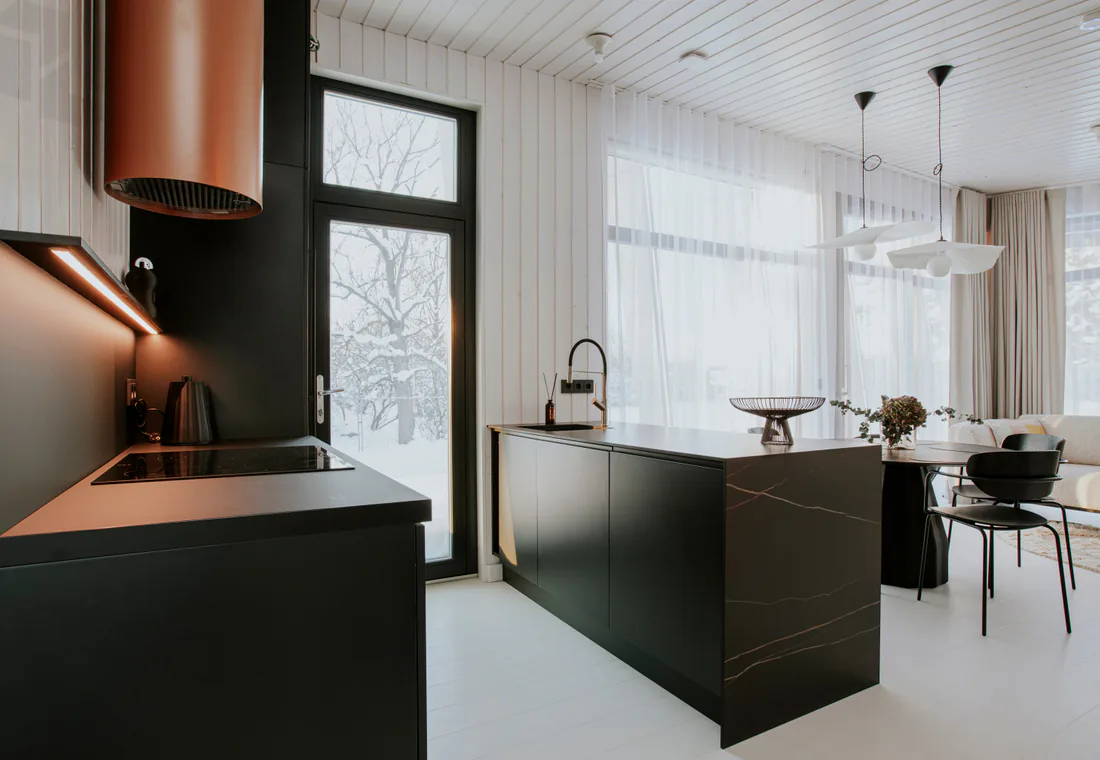
Kitchen and bath work is often the reason owners call. These rooms carry the most daily value, and they are often where older cabins feel the most outdated. But lake house kitchen remodel and lake house bathroom remodel planning should reflect cabin use, not showroom logic.
Plan for coolers, groceries, coffee traffic, pantry storage, safe appliance circuits, durable flooring, exterior exhaust, and a layout that does not turn the work zone into a hallway.
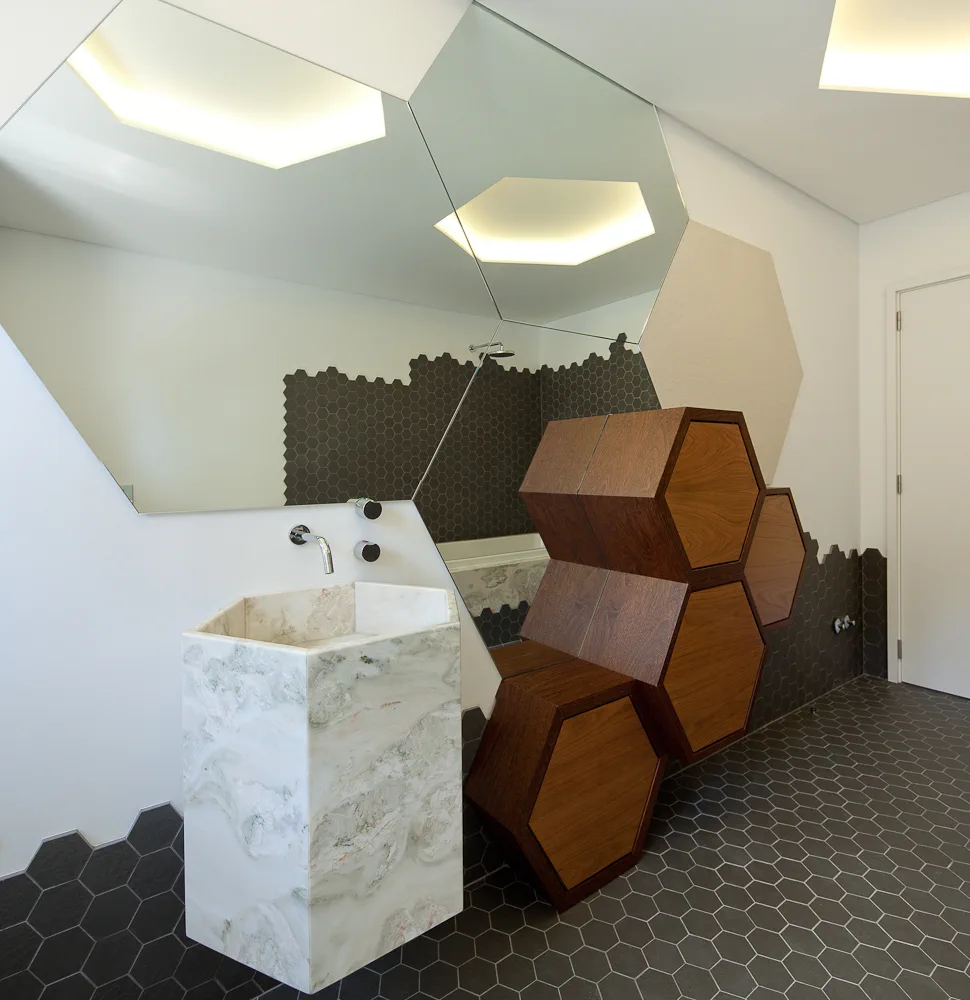
Prioritize an exhaust fan vented outdoors, shower waterproofing, slip-resistant flooring, towel drying space, accessible shutoffs, lighting, plumbing access, and freeze protection.
Weekend traffic can be harder on a cabin than daily use. Add hooks, landing space, easy-clean surfaces, extra outlets, trash planning, and storage that guests can understand.
Cabinets, counters, flooring, grout, glass, hardware, and paint should tolerate sand, wet feet, pets, humidity swings, winter vacancy, and fast cleanup.
The best cabin kitchens are not always the largest. They are the ones that manage traffic. The best cabin bathrooms are not just attractive. They dry out, clean easily, protect the building, and keep working when the property is full.
For deeper planning, use MW Construction's lake home kitchen remodeling article, bathroom remodel cost article, and walk-in shower remodel article.

Shoreland, zoning, septic, and permit considerations
Lake houses and cabins often sit where building rules are layered. Interior cosmetic work may be straightforward, but structural changes, additions, decks, shoreline work, plumbing, electrical, septic, and mechanical changes can trigger permits or reviews. Rules vary by state, county, township, municipality, property, and lake.
Define walls, decks, fixtures, windows, plumbing, electrical, fan routes, additions, and shoreline-related work.
Check county, township, municipality, state, sanitary, and shoreland rules before design is locked.
Review septic, well, electrical service, sleeping count, laundry, and added bathroom assumptions.
Document permits, inspections, agency contacts, and what cannot be covered before review.
Keep permits, photos, product records, inspection results, and maintenance notes with the property.
In Wisconsin, DSPS describes the Uniform Dwelling Code as the statewide building code for one- and two-family dwellings built since June 1, 1980, and says the UDC is enforced in all municipalities. County shoreland and sanitary rules may also apply. In Michigan, LARA publishes building permit information, and Michigan EGLE says shoreline projects at or below the ordinary high water mark require a permit.
Do not use a previous owner's work as the only guide. Older work may have been permitted, grandfathered, undocumented, or simply never reviewed.
Remodeling for out-of-town owners
Many owners who need lake house remodeling in Northern Wisconsin or an Upper Peninsula cabin remodel do not live near the property full time. They may be in Chicago, Milwaukee, Madison, Minneapolis, Green Bay, Appleton, Wausau, the Twin Cities, or farther away. That changes the remodeling process.
Clarify inclusions, exclusions, allowances, permits, access, weather protection, and owner decisions.
Show rot, wiring, plumbing, fan ducts, waterproofing, framing, crawl spaces, and repairs before cover-up.
Use scheduled updates, change-order notes, selection deadlines, and simple approval records.
Document shutoffs, fan models, product records, paint colors, maintenance notes, photos, and punch-list items.
Wisconsin DATCP publishes home improvement consumer guidance that discusses written contracts, consumer protections, and the state's Right to Cure law. The practical point is simple: remote cabin owners need the work documented as clearly as it is built.
Service area and next steps
MW Construction helps lake house, cabin, and seasonal-home owners plan practical remodeling work across Northern Wisconsin and the western Upper Peninsula, including Eagle River, Minocqua, Woodruff, Rhinelander, Vilas County, Oneida County, Ironwood, Gogebic County, Ontonagon County, and nearby Northwoods communities.
Before starting, gather wide photos of each room, exterior drainage, crawl space or basement access, roof edges, electrical panel, mechanical equipment, shoreline-side entries, and any stains or soft spots. Then decide what the property needs most: moisture control, winter reliability, kitchen function, bathroom durability, guest capacity, or remote-owner peace of mind.
A good lake house remodel should make the property easier to own, not just nicer to photograph. When the structure is dry, the systems are safer, the layout fits real use, and the details are chosen for Northwoods conditions, the cabin becomes what it should be: a durable place for family, guests, weekends, winter mornings, and years of use.
Cabin remodel prep
Start with the problems that can damage the finished work
A lake house remodel gets cleaner when the first conversation covers water, winter use, permits, septic, and remote-owner decisions before finish selections take over.Roof edges, valleys, chimney, gutters, downspouts, grade, lake-side entries, decks, stairs, and shoreline-side access.
Musty rooms, soft floors, stains, old additions, bathroom fan route, kitchen exhaust, panel location, and plumbing shutoffs.
Seasonal shutdown, year-round use, guest count, rental use, family weekends, winter visits, and remote-owner availability.
County, township, shoreland, septic, well, electrical, plumbing, mechanical, and deck or addition assumptions.
Frequently Asked Questions
Can a seasonal cabin become a year-round home?
Often, yes, but it should be evaluated as a building-system project. Structure, insulation, air sealing, heat, plumbing, crawl space, ventilation, septic, electrical service, and winter access all need to support year-round use.
What should be fixed first in an older lake cabin?
Start with safety, water control, roof and flashing, drainage, crawl space moisture, electrical, plumbing, bathroom ventilation, and winter freeze risk. Then move into kitchens, bathrooms, layout, storage, and finishes.
Do I need permits for a cabin remodel?
It depends on scope and location. Structural work, additions, decks, electrical, plumbing, mechanical, septic, and shoreline-related work may require review. Check with the local county, township, municipality, Wisconsin DSPS, Michigan LARA, or Michigan EGLE where appropriate.
What makes small cabin remodels cost more than expected?
Fixed costs do not disappear because a room is small. Mobilization, protection, demolition, trade coordination, travel, disposal, permits, inspections, hidden conditions, and documentation can all affect the budget.
How should an out-of-town owner manage the remodel?
Use written scope, photo documentation, scheduled communication, early material decisions, clear change orders, documented shutoff locations, and final walkthrough notes.
Sources and Method
Prices are planning ranges, not quotes. They combine published regional benchmarks with local remodeling scope logic. Final pricing depends on site conditions, product selections, trade availability, permits, and hidden conditions found during demolition.
- UW-Madison Extension: seasonal and recreational housing in Wisconsin
- Michigan Upper Peninsula housing baseline study
- National Weather Service: lake-effect snow safety
- EPA moisture control guidance
- U.S. Department of Energy: where to insulate a home
- U.S. Department of Energy: air sealing your home
- ENERGY STAR: attic air sealing and ice dam prevention
- Wisconsin DSPS Uniform Dwelling Code
- Vilas County Zoning and Planning
- Michigan LARA building permit information
- Michigan EGLE shoreline protection
- Wisconsin DATCP home improvement consumer tips